

Top 17 Plumbing Marketing Strategies to Dominate 2026
Homeowners do not shop for plumbers the way they did five years ago. They ask their phone a question, scan three map results, and call the first company that looks trustworthy and answers. If your marketing still depends on a website and a few Facebook posts, you are invisible in that moment.
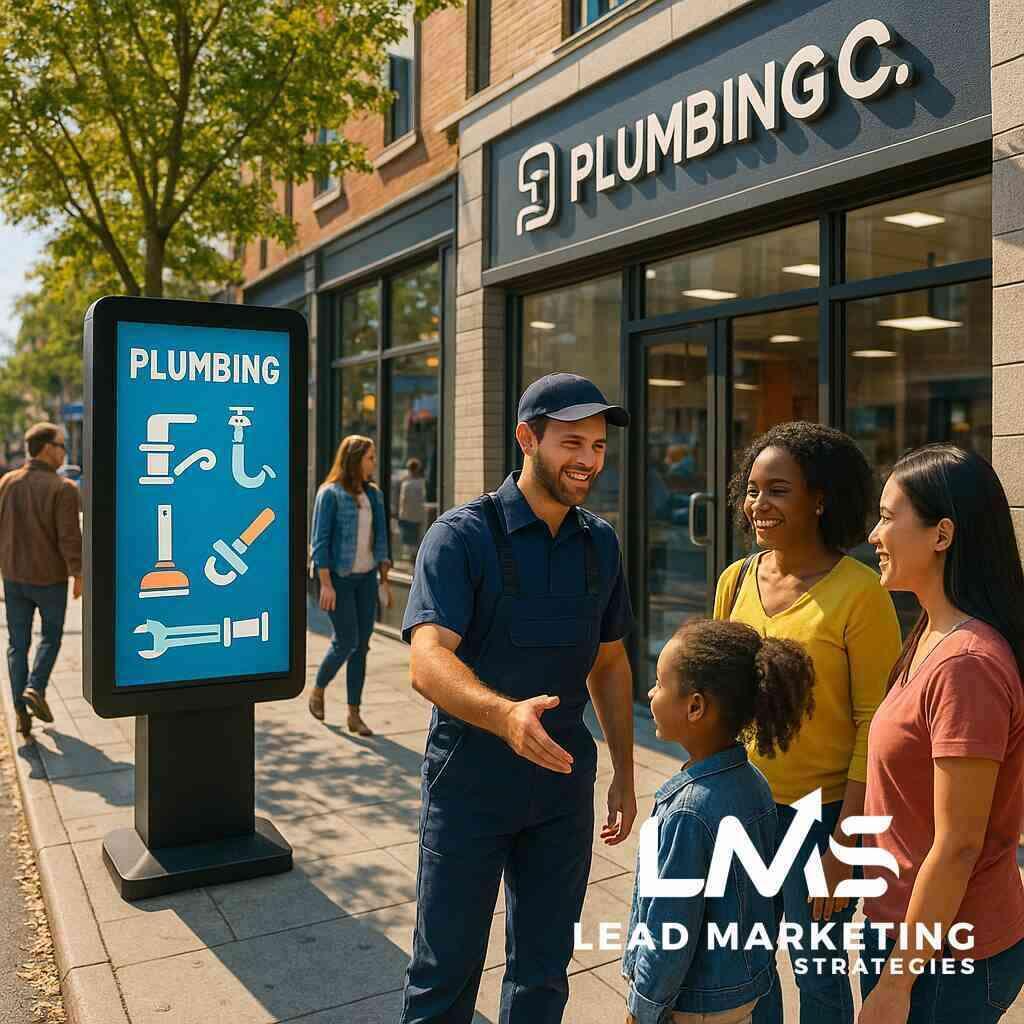
The short answer: the plumbing companies winning in 2026 combine local AI search visibility, hyper-local paid targeting, and frictionless booking. They show up in the map pack and AI answers, they run ads only where the profit is, and they make it effortless to book a job. Everything else supports those three engines.
Here are 17 strategies we use with plumbing clients, in the order we usually deploy them.
Local Search and AI Visibility Strategies
1. Optimize your Google Business Profile like it is your homepage
For most plumbing companies, the Google Business Profile drives more calls than the website itself. Treat it that way. Fill out every service category, add real photos of your trucks and techs, post weekly updates, and answer questions in the Q&A section before customers ask them.
Two details we see skipped constantly: set your service area correctly so you stop paying for leads 40 miles away, and list every service you actually offer. A profile that only says “plumber” loses to one that says water heater repair, drain cleaning, slab leak detection, and emergency service.
2. Win the zero-click answer
Many homeowners now book without ever visiting a website. They read the map pack, check the star rating, and tap call. That means your profile reviews, hours, and photos are doing the selling. Keep them current, and make sure your phone number is the same everywhere online so Google trusts the listing.
3. Structure your site for AI search
AI tools like Google’s AI overviews and chat assistants now answer questions like “who is the best-reviewed emergency plumber near me.” Those tools pull from pages that answer questions clearly and directly. Write short, plain answers to the questions your customers actually ask, and use schema markup so search engines understand your services, hours, and service area.
This is a real discipline now, not a buzzword. Our team handles answer engine optimization for plumbing companies because the rules are different from classic SEO. You are writing for a machine that summarizes, and for a homeowner who reads the summary.
4. Build service area pages that actually rank
One “Service Areas” page listing 30 towns will not rank for anything. Build a dedicated page for each city or neighborhood you serve, with local details: landmarks, common plumbing problems in that area, response times, and a few reviews from customers who live there. Ten strong pages beat fifty thin ones.
If local SEO is new for your business, start with our guide to local SEO success for plumbing companies. It walks through the foundation before you spend a dollar on ads.
5. Chase review velocity, not just review count
A company with 400 reviews and none from this month looks stale. A company with 90 reviews and six from the past two weeks looks busy and trusted. Set up an automated text that goes out the moment your tech clears a drain or finishes a repipe, and ask for the review right there.
Respond to every review, good and bad. In our experience, a thoughtful reply to a negative review does more for conversion than five more five-star ratings. Our reputation management service exists for exactly this reason.
Paid Advertising Strategies That Respect Your Budget
6. Run Local Service Ads before anything else
Local Service Ads put you at the very top of the page with a Google Screened badge, and you pay per lead rather than per click. For plumbers, this is often the cheapest source of high-intent calls. Get verified, keep your license and insurance documents current, and respond to every lead fast. Your ranking depends partly on responsiveness.
7. Use radius targeting instead of metro-wide campaigns
Plumbing is a proximity business. A homeowner 25 miles away is rarely your best customer, especially for emergencies. Draw tight radiuses around the neighborhoods where you want work, and raise bids there. We often see plumbers cut wasted ad spend by a third just by tightening the map.
8. Set weather-triggered and seasonal campaigns
Demand spikes on a schedule. A hard freeze means burst pipes and no-heat calls. Spring rain means sump pump work. November means drain cleaning before holiday guests arrive. Set automated rules so your ads and budget shift when the forecast changes, and you will catch demand while competitors are still asleep.
9. Decide between Google Ads and local SEO with your eyes open
Both work. They solve different problems. Ads buy you calls this week. Local SEO builds an asset that keeps producing. Most established plumbing companies should run both, weighted toward whichever is underperforming. Our breakdown of Google Ads versus local SEO for plumbing businesses covers the tradeoffs in detail.
10. Target high-value jobs, not just cheap ones
A $99 drain clearing is nice. A $9,000 repipe pays the mortgage. Build separate campaigns for water heater replacement, sewer line repair, repiping, and slab leak detection, with landing pages that speak to those specific jobs. Bid more aggressively on the work you actually want.
Website and Conversion Strategies
11. Make booking possible in one tap
If a homeowner has to fill out a form and wait for a callback, you have already lost to the company with online scheduling. Embed live booking software directly on your site, link it in your Google Business Profile, and put it in your social bios. Speed of booking is a competitive advantage, full stop.
12. Answer the phone, and answer it after hours
This is not glamorous, but it is the highest-leverage fix in plumbing marketing. A missed call at 9 p.m. on a Sunday is a burst pipe going to your competitor. If you cannot staff it, use a live answering service or an AI chat assistant that can triage, quote basic pricing, and dispatch emergencies.
13. Publish content that answers real homeowner questions
Pages like “why is my water heater blowing cold water after a freeze” and “how much does a plumber charge to fix a burst pipe” pull in people who are about to hire someone. Write them plainly, with real prices or ranges where you can share them, and link each page to your booking form. Our content marketing for plumbers team builds these clusters so each page supports the others.
14. Show your face and your trucks
Plumbing is a trust purchase. A stranger is coming into someone’s home. Photos of your actual team, your branded trucks, and your techs in uniform reduce that fear. Video helps even more. Put them on your site, your profile, and your ads.
Lead Generation and Retention Strategies
15. Build a real lead follow-up system
Most plumbing leads go cold within an hour. Set up automatic text and email follow-up for every form fill and missed call. If you want a deeper playbook, our list of proven plumber lead generation tactics covers the full sequence from first touch to booked job.
16. Sell maintenance memberships
One-time jobs are expensive to acquire. A $15 monthly maintenance plan turns a single service call into recurring revenue and a built-in source of future repair work. Market the plan on your site, in your confirmation emails, and on every invoice. Retention marketing is the most underused plumbing strategy we see.
17. Keep in touch with past customers
Your old customers already trust you. A simple email or text reminder before heating season, a seasonal drain cleaning nudge, or a check-in after a big repair keeps you top of mind when something breaks. It costs almost nothing and converts better than cold leads.
Frequently Asked Questions
What is the most effective plumbing marketing strategy in 2026?
For most residential plumbing companies, the highest return comes from a fully optimized Google Business Profile combined with Local Service Ads. That pairing captures homeowners at the exact moment they are ready to call, often without them ever visiting your website. Layer in review generation and you have a foundation that supports everything else.
How much should a plumbing company spend on marketing?
There is no universal number, and anyone who gives you one without asking about your revenue and capacity is guessing. A common starting range is 5 to 10 percent of revenue, weighted toward whatever channel is producing booked jobs. Track cost per booked job, not cost per click, and adjust from there.
Do plumbers still need a website if they have a Google Business Profile?
Yes. Your profile gets you found, but your website is where trust gets built and where you rank for service-specific searches like water heater replacement or sewer line repair. It is also what AI search tools pull from when they answer questions about your business.
How do I get more plumbing reviews?
Ask at the right moment, which is right after the job is finished and the customer is relieved. Automate a text message with a direct review link, keep the ask short, and respond to every review you receive. Consistency matters more than volume.
Should I use social media for plumbing marketing?
Yes, but with realistic expectations. Social media rarely produces emergency calls directly. It builds familiarity so that when a homeowner does need a plumber, your name feels familiar. Short videos of real jobs and quick plumbing tips perform best. Our social media marketing for plumbing businesses team can help you build a simple, sustainable posting rhythm.
How long does plumbing SEO take to work?
Expect three to six months before you see meaningful movement on local searches, and longer for competitive service terms in large metros. Paid ads and Local Service Ads produce calls much faster, which is why most companies run both while SEO builds.
Let Our Team Build Your 2026 Marketing Plan
You have enough to work with here. Pick two or three strategies, fix them properly, and measure booked jobs rather than clicks. If you would rather have a team that does this every day handle it, we can help. Our team works exclusively with plumbing companies, and we will tell you honestly which channels are worth your money and which are not.
Call us at (833) 532-3100 or book a free consultation and we will map out a plan around your service area, your capacity, and your goals. You can also download our mobile app to stay connected with your marketing results on the go: iOS app or Android app.
Every article is written by one of our founders and independently reviewed by the other before it goes live.

Dominique Key is Chief Marketing Officer and Co-Owner of Plumbing Marketing Strategies. She helps plumbing company owners turn their reputation into steady, predictable lead flow. A wife and mom, she runs the agency with her husband Ken and treats every client like family.

Ken Key is the Chief Technology Officer and Co-Owner of Plumbing Marketing Strategies. He is a full-stack software, AI, and SEO engineer who helps plumbing companies turn their websites and lead flow into real booked jobs. He runs the agency with his wife and co-owner, Dominique Key, and treats every client like a neighbor.