

Plumbing Email Marketing: 5 Tips That Actually Bring Customers Back
Most plumbing businesses treat email like an afterthought. A customer books a repair, you collect an address on the invoice, and then nothing happens for two years. That is a wasted relationship.
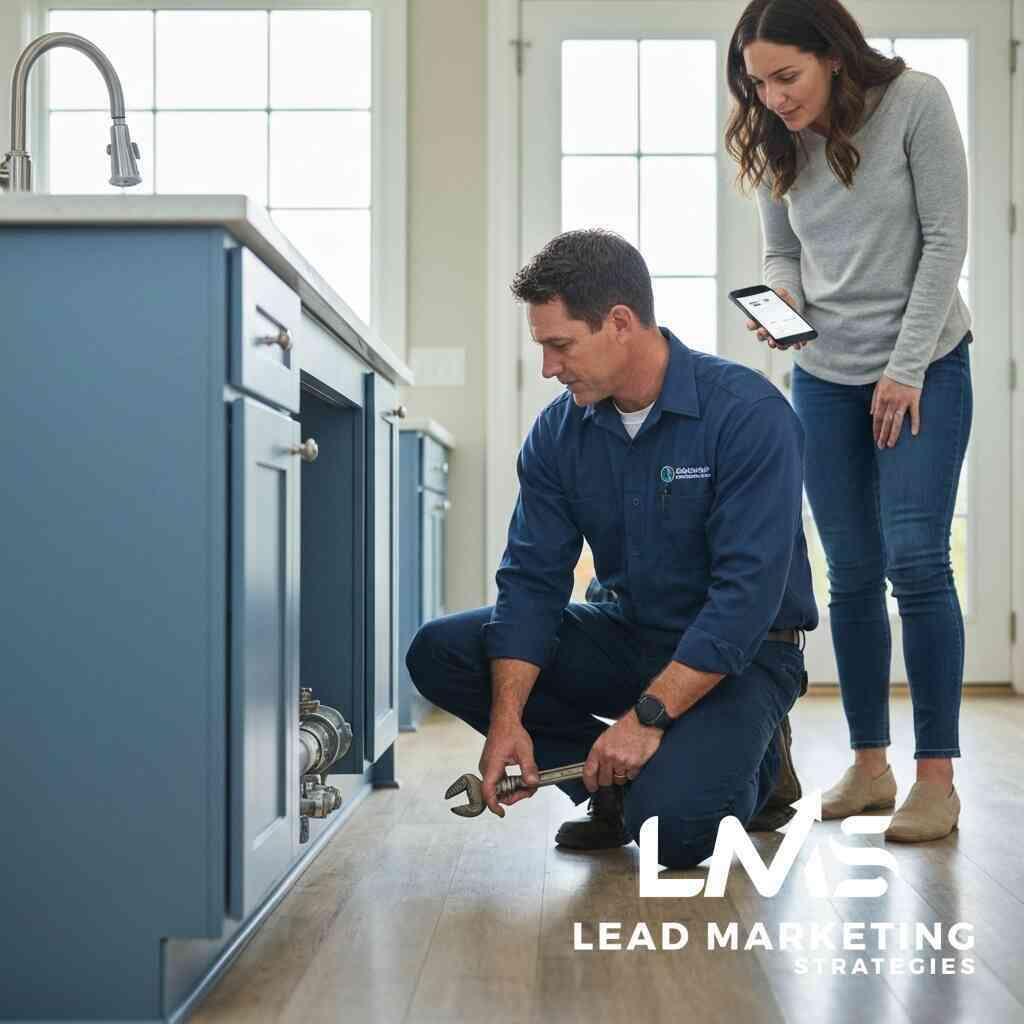
Here is the short answer to the question that brought you here: plumbing email marketing drives repeat business when you send the right message to the right customer at the right moment, and you do it consistently. That means segmenting your list, sending maintenance reminders tied to real seasons, following up after every job, rewarding referrals, and keeping your emails short and mobile-friendly. Do those five things and email becomes one of the cheapest repeat-revenue channels you own.
We work with plumbing companies every week, and the ones who win repeat work are not the ones sending the most email. They are the ones sending the most useful email. Below is how to build that habit without burning hours you do not have.
Why does plumbing email marketing matter more than most owners think?
Because your past customer is the cheapest job you will ever book. They already trust you, they already know your name, and they do not need to be convinced you are legitimate.
Compare that to a cold lead from a shared lead marketplace. You are paying for a stranger, competing on price, and hoping they pick up the phone. Email costs almost nothing per send and keeps you in front of people who have already paid you once.
There is a second reason that gets overlooked. Plumbing is a need-based purchase. Nobody wakes up wanting a new water heater. They buy when something breaks, and email is how you stay visible until that moment arrives. A homeowner who got a drain cleaning from you in March is a water heater replacement waiting to happen in November. If you are not in their inbox, your competitor is.
Email also compounds with the rest of your marketing. It reinforces what customers see in your Google reviews and on your social profiles, and it gives your paid campaigns a warm audience to retarget.
Tip 1: Segment your list so every email feels personal
One list, one message, sent to everybody, is how plumbing companies train customers to ignore them. Segmentation fixes that.
You do not need complicated software. Most email platforms let you tag contacts and build simple groups. Start with these:
- Residential vs. commercial. A property manager cares about response time and invoicing. A homeowner cares about a clean floor and a fair price.
- Service type. Drain cleaning, water heater, repipe, sewer line, and emergency customers all have different next needs.
- Job date. When did they last use you? This drives your reminder timing.
- Home age or system age. A customer with a 15-year-old water heater is a different conversation than one with a new build.
- Service area. Neighborhood-level targeting helps when you run seasonal or local offers.
In our experience, the single highest-value tag is last service date. It tells you exactly when a maintenance reminder is welcome instead of annoying.
How do you collect emails in the first place?
Ask at the moment of highest trust. That is usually when the tech is finishing the job and the customer is happy. Add an email field to your booking form, your invoice, and your online scheduling page. Put a simple signup on your website with a reason to join, like seasonal maintenance reminders or a first-time service offer.
Do not buy a list. Ever. Purchased lists damage your deliverability and violate the trust you have spent years building.
Tip 2: Send maintenance reminders tied to real plumbing seasons
This is the tip that produces the most repeat revenue, and it is the one most plumbers skip.
Your customers do not know when to call you. They call when something fails. A reminder email changes that dynamic. It puts your name in front of them before the failure, and it gives you a legitimate reason to reach out.
Build your calendar around the plumbing year:
- Early spring: Sump pump checks before heavy rain, outdoor spigot inspection, and water heater flush reminders.
- Late spring: Irrigation and hose bib checks, plus a reminder about water pressure.
- Summer: Vacation-season leak checks and water bill spike warnings.
- Early fall: Winterization, pipe insulation, and water heater tune-ups before the cold hits.
- Late fall and winter: Frozen pipe prevention, holiday guest traffic and drain strain, and emergency availability messaging.
Keep each reminder short. One problem, one action, one button to book. A subject line like “Your water heater is due for a flush” outperforms anything clever, because it names a real task.
This kind of campaign pairs well with the broader local visibility work we cover in our guide to local SEO for plumbing companies. When someone gets your reminder email and then searches your name, you want your Google Business Profile to confirm you are the right call.
Tip 3: Follow up after every job, not just the big ones
The follow-up sequence is where most plumbing businesses leave money on the table. You finish the job, you get paid, and the relationship goes quiet.
Here is a simple three-email sequence that works for residential and commercial alike:
- Same day or next day: A thank-you note with the invoice summary, the tech’s name, and a direct link to leave a review.
- About a week later: A short check-in. “Is everything draining the way it should?” This catches small problems early and shows you stand behind the work.
- 30 to 60 days later: A helpful note about the next thing they should watch, based on what you serviced. If you cleared a slow drain, talk about what causes buildup. If you replaced a fixture, talk about water pressure.
That review request matters more than it looks. Reviews are the currency of local search, and a steady flow of them keeps you visible when the next homeowner searches. We go deeper on that in our breakdown of reputation marketing strategies for plumbing brands.
One caution: do not ask for the review in the same breath as the invoice. Give the customer a day to enjoy a working sink first. Response rates go up when the ask feels separate from the bill.
Tip 4: Build a referral email that rewards the right behavior
Plumbers get referrals whether they ask for them or not. The businesses that grow fastest ask on purpose.
A referral email works best when the reward is specific and the ask is easy. Something like: “Know a neighbor dealing with a slow drain? Send them our way and we will take care of your next service call.” That is concrete, it is generous, and it does not require the customer to remember a promo code.
Timing matters. Send referral emails right after a positive interaction, not in a random blast. The customer just watched your tech solve a problem. That is the moment they are most willing to vouch for you.
Should you reward referrals with cash or service credit?
Service credit usually wins. It keeps the value inside your business, it guarantees a return visit, and it feels less transactional than a check. Cash has its place for commercial accounts and property managers, where a credit might get lost in the paperwork.
Track referral sources in your CRM. You will quickly learn which customers send the most work, and those are the ones who deserve a personal thank-you call, not just an automated email.
Tip 5: Keep every email short, mobile-first, and easy to act on
Most of your customers will read your email on a phone, often while standing in a garage looking at a leaking pipe. Write for that person.
What that looks like in practice:
- One idea per email. Do not stack a maintenance reminder, a coupon, and a company update into one send.
- Short subject lines. Six to eight words. Name the problem or the benefit.
- One clear button. “Book a service call” or “Schedule my flush.” Not three competing links.
- Plain text beats heavy design. A clean, simple email reads faster and lands in the inbox more reliably.
- Real sender name. Send from a person, like “Mike at [Your Company],” not a no-reply address.
Also watch your frequency. Two to four emails a month is plenty for most plumbing businesses. More than that and you start training people to delete without reading.
If you want help building the sequences, our team handles email marketing for plumbing companies and can set up the automation so it runs without you thinking about it.
How does plumbing email marketing connect to your other channels?
Email does not work in a vacuum, and it should not try to.
Your email list is one of your best audiences for paid social. Upload it to run a lookalike campaign or a retargeting ad, and you reach people who already know you. Our Facebook ads service for plumbers leans on exactly this kind of warm audience.
Email also feeds your lead generation engine. A customer who gets a maintenance reminder and books online is a lead you did not pay a marketplace for. That is the core idea behind the tactics in our proven plumber lead generation tactics.
And when someone replies to an email with a question, that is a live lead. Route those replies to a real person, not an unmonitored inbox. Speed wins jobs in this trade.
What should you measure in your plumbing email campaigns?
Keep it to a handful of numbers that tell you whether the channel is paying off:
- Open rate. Tells you whether subject lines and sender names are working.
- Click rate. Tells you whether the offer and the button are clear.
- Booked jobs from email. The number that actually matters. Use a tracking link or a unique phone number so you can attribute it.
- Revenue per send. Divide total booked revenue by emails sent. It is the clearest signal of list health.
- Unsubscribe rate. A slow creep upward means you are sending too often or to the wrong segments.
Do not obsess over list size. A list of 800 past customers who trust you will outproduce a list of 8,000 cold contacts every single time.
Frequently asked questions about plumbing email marketing
How often should a plumbing company email its customers?
Two to four times per month is a healthy range for most residential plumbing businesses. Seasonal reminders, post-job follow-ups, and the occasional offer fit comfortably in that window. Commercial accounts may prefer less frequent, more detailed updates.
Is email marketing still worth it for plumbers in 2026?
Yes. Email remains one of the few channels you fully control. No algorithm change, no ad account suspension, no rising cost per click. You own the list, and it keeps producing repeat work as long as you keep it healthy.
What is the best subject line for a plumbing email?
Name the problem or the task. “Time to flush your water heater” or “Before the first freeze, check these pipes” will beat a generic newsletter subject every time. Specific and useful wins.
How do I get more reviews through email?
Ask within 24 hours of a completed job, link directly to your Google review page, and keep the message to two sentences. Do not bundle the ask with a promotion. One request, one link, one click.
Can I email customers who found me through Google Ads or a lead marketplace?
Only if they gave you permission to contact them. If they filled out a form on your site and agreed to receive updates, you are fine. If the lead came from a third-party marketplace, check the terms before you add them to your list.
Let us build your email engine for you
You are good at plumbing. You should not have to become an email marketer on top of it.
Our team builds the segments, writes the reminders, sets up the follow-up sequences, and reports on what is actually booking jobs. If you want a partner who understands this trade, book a free consultation and we will walk through your list and your calendar together. Prefer to talk it through? Call us at (833) 532-3100.
And if you want to keep an eye on your campaigns from the truck, download our mobile app. It is available for iOS here and Android here.

The Plumbing Marketing Strategies Team
Our team of marketing experts specializes in helping plumbers grow their businesses through strategic digital marketing, SEO, and customer acquisition.
View all articles